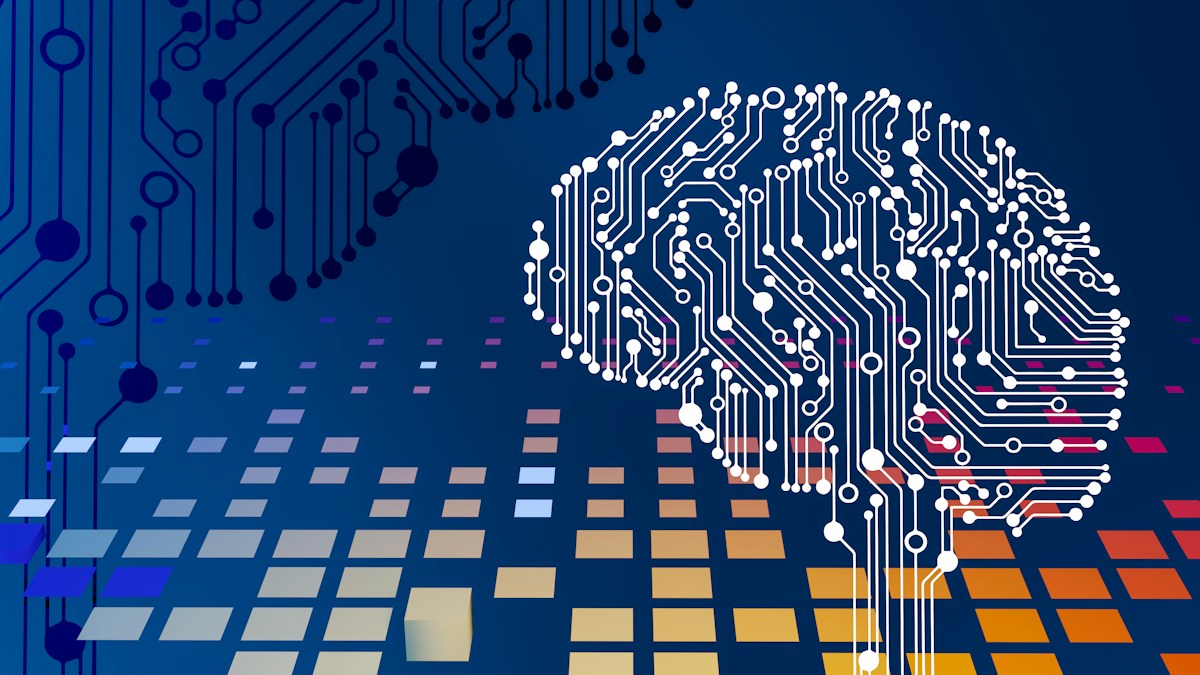
Revolutionizing Education: How AI is Personalizing the Learning Path
Artificial Intelligence is no longer a futuristic concept in education — it is a current reality. From adaptive learning platforms that adjust to a student's pace to AI-driven insights that help educators identify gaps in understanding, the landscape of AI learning is evolving at an unprecedented speed.
One of the biggest advantages of AI in education is the ability to provide personalised, one-on-one attention at massive scale. In a traditional classroom, a single teacher might struggle to cater to the unique needs of 30 different students simultaneously. AI algorithms, however, can analyse individual performance data in real-time and dynamically adjust content difficulty, pacing, and even teaching style.
How Adaptive Learning Actually Works
Adaptive learning systems use a combination of machine learning models, knowledge graphs, and continuous assessment loops to build a unique learning profile for every student. These profiles track not just what a student knows, but how they learn — identifying whether they respond better to visual explanations, worked examples, or conceptual frameworks.
- Real-time performance analysis that adjusts lesson difficulty on the fly.
- Personalized curriculum paths built around individual learning strengths.
- Automated gap detection — identifies weak areas before they become blockers.
- Natural language interaction via LLM-powered tutors available 24/7.
"The goal of AI in education is not to replace the teacher, but to empower the learner with tools that make complex concepts like Machine Learning and Neural Networks accessible to everyone — regardless of their background."
As we look toward the second half of 2026, the integration of Large Language Models (LLMs) into the curriculum is becoming mainstream. Students can now interact with virtual tutors that explain Python functions, debug code in real-time, or walk through complex Calculus problems in a conversational manner — something that was simply impossible three years ago.
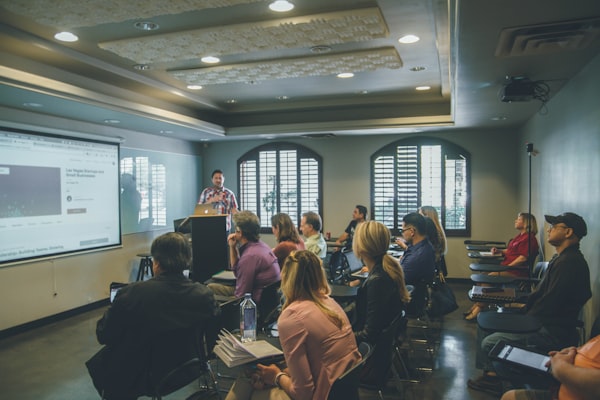

The Road Ahead for AI-Powered Education
The next frontier is multimodal AI — models that can process text, code, images, and voice simultaneously. This will allow platforms like AI A TO Z to offer truly immersive learning experiences where a student can describe a problem verbally, sketch a diagram, and receive a contextually aware explanation that ties all three together.
Institutions that embrace this shift early will gain a significant competitive advantage — producing graduates who are not just consumers of AI tools, but practitioners capable of building and deploying them in real-world scenarios. The opportunity is enormous, and it starts with access to great education.







02 Comments
Sarah Jenkins
January 20, 2026 at 4:00 pmGreat article! I really appreciate the insight into how LLMs are being used for Python tutoring. The section on adaptive learning was especially eye-opening — it has genuinely helped me re-think how I study.
Ravi Kumar
January 22, 2026 at 9:15 amThis is exactly the kind of deep-dive content I was looking for. The part about multimodal AI being the next frontier really resonates — I can already see this in tools like GPT-4o. Excited to see where AI A TO Z takes this!